Merlot Grape Varietal Definition
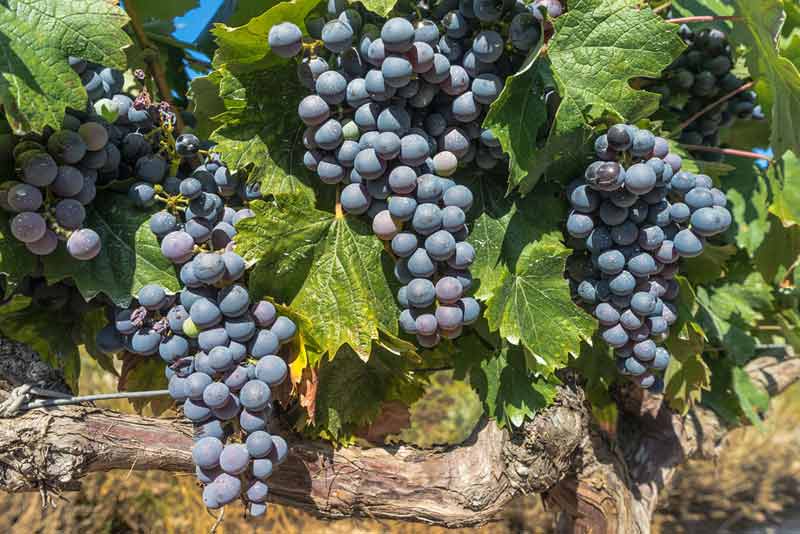
Merlot originates from Bordeaux
Merlot is a smooth, velvety red wine grape known for plush fruit, soft tannins, and remarkable versatility. It is one of the world’s most widely planted and beloved varietals, originating in Bordeaux, where it remains foundational to Right Bank icons like Pomerol and Saint‑Émilion.
When varietally bottled, Merlot has herbal and fruity flavors similar to Cabernet, but also has a smooth and supple character in the mouth without the bite of tannins. It complements the same types of food that Cabernet does, albeit less distinctly.
Identity & Origins
• Grape: Dark‑blue/black‑skinned variety; thin skins, plump berries.
• Name: Likely derived from merle (blackbird), referencing the grape’s color or birds’ fondness for the fruit.
• Birthplace: Bordeaux, documented since the 18th century.
• Pedigree: Genetic offspring of Cabernet Franc and Magdeleine Noire des Charentes; half‑sibling of Cabernet Sauvignon.
What Merlot Tastes Like
• Core fruit notes: Plum, black cherry, blackberry, raspberry.
• Texture: Soft, smooth tannins; medium to full body.
• Oak‑derived accents: Chocolate, vanilla, mocha, cedar, coffee, tobacco.
• Cool‑climate style: Strawberry, red berry, plum, cedar, tobacco; more herbal and structured.
• Warm‑climate style: Blackberry, black plum, chocolate; richer, jammy, more opulent.
• Aging evolution: Leather, truffle, dried fruit, dark chocolate.
Where Merlot Thrives
Merlot’s adaptability makes it a global star.
• France: Most‑planted grape in Bordeaux; dominant on the Right Bank (St‑Émilion, Pomerol), where the wine is mostly blended with Cabernet but sometimes bottled separately, depending on the region. Also widespread in Languedoc‑Roussillon.
• USA: California (Napa, Sonoma) produces full‑bodied, smooth, oak‑rich styles; Washington State offers herbal, savory expressions.
• Italy: Popular in Veneto, Friuli, Piave; cooler climates yield fresher, lighter styles.
• Global footprint: Over 260,000 hectares planted worldwide, making it one of the most cultivated red grapes.
SUGGESTED READING
• Best Cheese & Wine Pairing
• Who invented Brut Champagne
• Latest article on GAYOT.com
Viticulture & Winemaking
• Ripening: Earlier than Cabernet Sauvignon; ideal for cooler or shorter seasons.
• Soils: Excels in clay, limestone, and gravel; clay especially enhances richness.
Styles
– Bordeaux‑style: Earlier harvest, moderate alcohol, red fruit, freshness, elegance.
– International style: Later harvest, deeper color, higher alcohol, lush black fruit.
Why Merlot Matters
• Approachability: Soft tannins make it ideal for newcomers to red wine.
• Versatility: Equally compelling as a varietal wine or blending partner (especially with Cabernet Sauvignon).
• Prestige: Forms the backbone of legendary wines like Château Pétrus and Château Angélus.
• Range: From every day, fruit‑driven bottles to age‑worthy (10-15 years), complex masterpieces.