The 8 Best Oktoberfest Beers in 2026

Celebrate Oktoberfest with these Oktoberfest Beers
Since it is hard to make the trek to Munich, you can still enjoy some of the same beers being served across the Atlantic. In fact, three breweries featured on GAYOT’s Best Oktoberfest Beers are among the six that are allowed to serve beer at the true Bavarian Oktoberfest.
The Oktoberfest style, also known as Märzen, was originally brewed around March (Märzen derives from März, the German word for March) before modern refrigeration, when brewing during the summer was problematic due to high temperatures that could result in bacterial infections. The beer was lagered (kept in cold storage) over the hotter months and brewed at a higher gravity (or alcohol content) to help it maintain stability against the summer heat.
This German lager style tends to be full-bodied, malty, toasty and dark copper-hued, with a slightly greater alcohol content and just enough hops to balance the sweetness. It’s an ideal beer for early fall drinking — lederhosen or not.
The history of Oktoberfest
Oktoberfest began as a royal wedding celebration in 1810 and evolved over two centuries into the world’s largest folk and beer festival.
On 12 October 1810, Crown Prince Ludwig of Bavaria (later King Ludwig I) married Princess Therese of Saxe Hildburghausen. Munich officials organized public festivities: horse races, feasting, music, and celebrations open to citizens, unusually inclusive for the time. The meadow where the races were held was named Theresienwiese (“Therese’s Meadow”), still the festival grounds today. The event was so popular that Munich decided to repeat it the following year — the moment Oktoberfest became an annual tradition.
In 1811, a state agricultural fair was added, highlighting Bavarian farming. In 1818, the first food and drink booths appeared, laying the groundwork for the beer culture that would later define the festival. Throughout the 1800s, Oktoberfest expanded with rides, games, and small beer stalls. By the late 19th century, these stalls evolved into the large beer tents we know today, each operated by Munich’s major breweries.
Beer’s prominence is tied to a 1553 Bavarian brewing decree: brewing was banned in summer for safety, so stronger Märzen beer was brewed in March and stored until autumn. Oktoberfest became the perfect moment to empty the cellars before new brewing began.
In 1872, Oktoberfest slipped backward into September, chasing gentler evenings and longer golden hours. But the name remained, like a lover’s nickname whispered long after the moment that inspired it. Tradition, after all, is a kind of poetry.
1. Ayinger Oktober Fest-Märzen
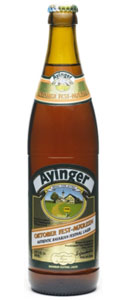
The Ayinger Brewery, founded in 1878 and located in the Bavarian village of Aying, is no stranger to brewing medals — its Oktober Fest-Märzen is one of the most highly respected Märzens in the world.
Origin: Aying, Germany
Beer type: Märzen
Price: $5 for 16.9 oz
ABV: 5.8%
Brewed by: Ayinger Brewery
It pours a golden color tinted with amber, and offers aromas of floral hops balanced with slightly sweet malt. Flavors of caramel and nutty malt form the backbone and it’s balanced with a perfect pitch of hops to fight off lingering sweetness. Its medium body and moderate alcohol content is not overpowering, making this an easy drinking beer that will pair nicely with a plate of sausage and sauerkraut.
2. Firestone Walker Oaktoberfest


Don’t be misled by the name — this Märzen is fermented in stainless steel, not oak, but is named in honor of the brewery’s hometown Paso Robles, which is Spanish for “Pass of the Oaks.”
Origin: Paso Robles, CA, USA
Beer type: Märzen
Price: $11 for six-pack 12 oz
ABV: 5%
Brewed by: Firestone Walker Brewing Company
The checkered blue and white pattern on the label represents the Bavarian flag, while the Bavarian Augustiner Lager yeast it’s fermented with adds to its European authenticity. Imported Pilsner and Vienna malts, along with German Hallertau hops, bring balance. This seasonal option is richer, more full-bodied and hoppier than most representations of the style, and pours a long-lasting, frothy white head.
3. Hacker-Pschorr Original Oktoberfest

Hacker-Pschorr is one of Bavaria’s pre-eminent breweries, having been in existence since the 15th century.
Origin: Munich, Germany
Beer type: Märzen
Price: $13.99 for six-pack 11 oz.
ABV: 5.8%
Brewed by: Hacker-Pschorr
They’re actually one of the original breweries commissioned to brew beer at the first Oktoberfest in 1810, and are one of only six Munich breweries allowed to serve beer at the city’s world-famous Oktoberfest. Hacker-Pschorr’s traditional recipe utilizes natural spring water, dark- and light-colored malt from two-row Bavarian summer barley, a centuries-old Hacker-Pschorr yeast strain and Noble Hallertau hops. With a warming amber color, rich and clean toasted malt flavors and a sweet hop aroma, this legendary Oktoberfest beer is light, delicious and truly authentic.
| Perfect with: Bavarian sausage salad and all the titbits a true Bavarian would also enjoy: roast chicken, sausages or suckling pig cooked in Wiesn beer. |
4. Hofbräu Oktoberfest

The Staatliches Hofbräu brewery was founded in 1589 in Munich as a court-owned enterprise run by a duke.
Origin: Munich, Germany
Beer type: Märzen
Price: $12.99 for six-pack 11 oz.
ABV: 6.3%
Brewed by: Staatliches Hofbräuhaus
This is not exactly the typical Oktoberfest brew. Hofbräu’s hops are a bit more prevalent, the alcohol content slightly higher and the appearance a shade paler than the classic Märzen. Light caramel and malt flavors add to the beer’s fine balance, particularly when paired with bratwurst or suckling pig.
| Pairs well with: Roast pork, grilled chicken, sausages, snack platters, Obazda, grilled fish on a stick, hard cheeses like Emmental. |
SUGGESTED READING
• Oktoberfest Events Across the US
• The Best Fall Beers
• Latest Articles on GAYOT.com
5. Paulaner Oktoberfest Märzen
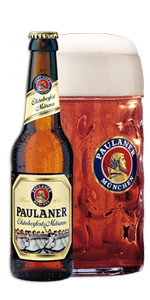
Minim friars founded Paulaner in 1634 and named the beer in honor of the patron saint of their own order, Saint Francis of Paola.
Origin: Munich, Germany
Beer type: Märzen
Price: $11 for six-pack 11 oz
ABV: 5.8%
Brewed by: Paulaner Brauerei GmbH & Co. KG
Characteristic of the style, this Märzen is amber-hued with a full malt aroma and a thick, creamy, foamy froth. The taste offers a decidedly nutty light roast with an emphasis on malt sweetness that’s smooth and well balanced. It’s no wonder that Paulaner is one of the only officially designated beers allowed to be served at the Munich Oktoberfest.
6. Santa Fe Brewing Oktoberfest

This lager from New Mexico’s oldest brewery (founded in 1988) pays tribute to the original Märzens served at Ludwig I’s wedding.
Origin: Santa Fe, NM, USA
Beer type: Märzen
Price: $11 for six-pack 12 oz
ABV: 6%
Brewed by: Santa Fe Brewing Company
Its use of German ingredients — Pilsen and Munich malts with Hallertau and Tettnanger hops — make it a traditional representative of the style. The malts and 100% natural spring water result in a beautifully clear golden-amber color and a mild hop presence allows the semi-sweet bready, malt-forward flavors to dominate. This brew is proof that American brewers are equal to the task of recreating their own versions that can stand up to their German counterparts.
7. Surly Brewing Company Surly Oktoberfest

Surly Brewing Company is a forward-thinking Minneapolis operation
Origin: Minneapolis, MN, USA
Beer type: Märzen
Price: only available in limited batches
ABV: 6%
Brewed by: Surly Brewing Company
The American-made Märzen displays a yellow-orange hue and uses Tettnanger, a classic German noble hop variety.
8. Weihenstephan Festbier

Located just north of Munich, the Weihenstephan Brewery is no novice — its roots in beer-making go back to the year 768.
Origin: Freising, Germany
Beer type: Märzen
Price: $5 for 16.9 oz.
ABV: 5.8%
Brewed by: Weihenstephan
Weihenstephan became licensed in 1040 and is recognized as the world’s oldest working brewery. Its Festbier is a true German brew, with malt and Noble hops from the Hallertau region in Bavaria. The result is a full, rich-bodied, mildly hopped seasonal lager that’s crisp and refreshing, with a deep gold appearance and full carbonation. At 5.8 percent ABV and 26 IBUs, Weihenstephaner Festbier is a perfect fit for the style.